
Recognizing the complex patterns of mood shifts is the first step toward reclaiming your life. This guide details the specific emotional and physical indicators of both mania and depression. We explain how these signs differ from standard moodiness to help you seek the right support. You will discover how early intervention can prevent symptoms from disrupting your career and family. Our clinical experts provide a clear roadmap for identifying and managing this condition effectively.
What Are the Primary Signs & Symptoms of Bipolar Disorder?
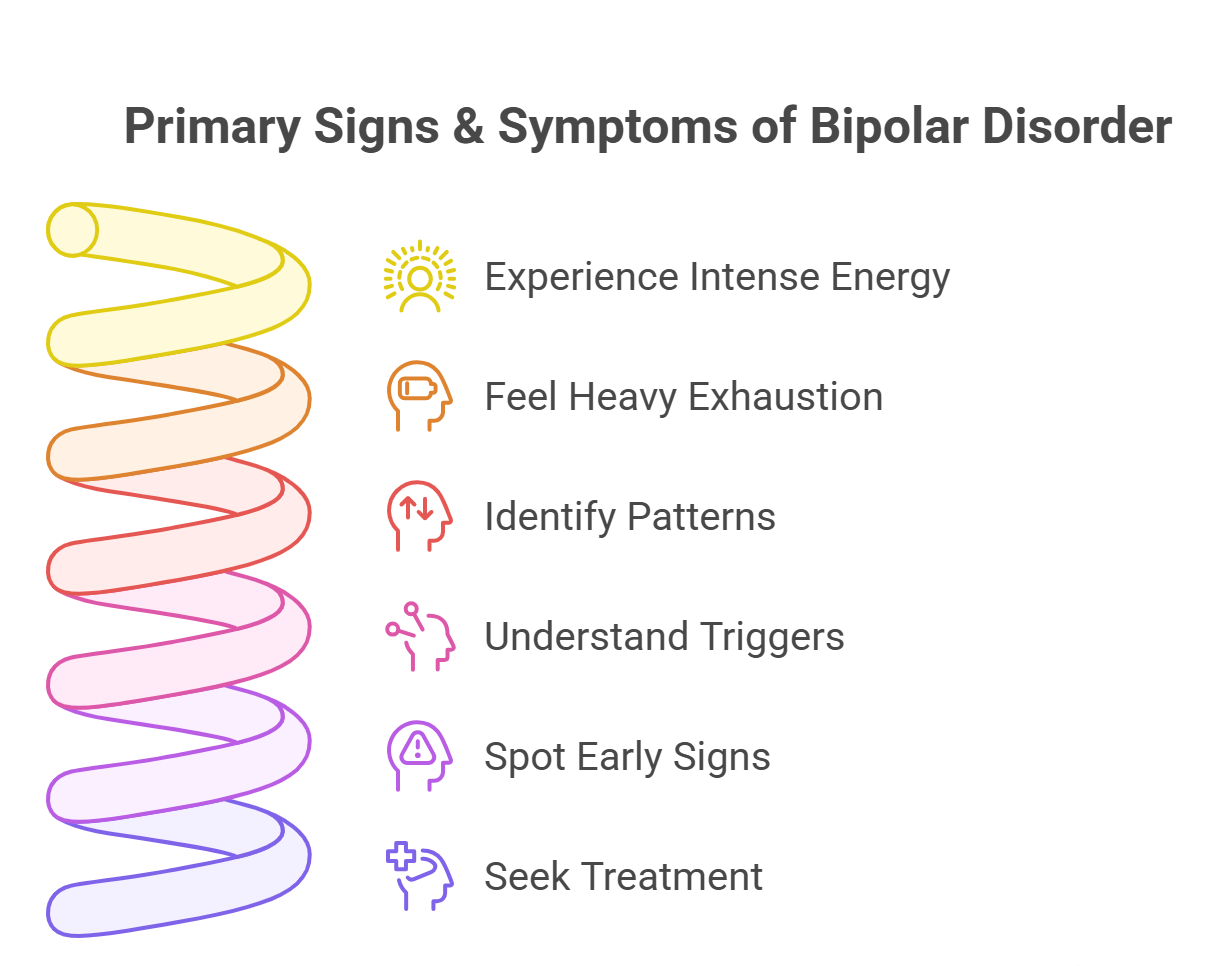
Recognizing the signs & symptoms of bipolar disorder often feels like trying to solve a puzzle while the pieces are constantly moving. You might experience periods of intense energy followed by weeks of heavy exhaustion that make daily life feel impossible. I have spent a decade helping individuals identify these patterns before they lead to a major life crisis or broken relationships. We know that understanding your unique triggers is essential for finding a treatment path that actually works for your lifestyle. You deserve to live a life where your moods do not dictate your ability to function or find happiness.
Many people struggle for years because they mistake these extreme shifts for simple personality traits or temporary stress. We see the most success when patients learn to spot the early signs of bipolar disorder before an episode peaks. I once worked with a professional who thought their manic bursts were just high productivity until the inevitable crash happened. By identifying the symptoms early, we helped them stabilize their energy and save their career from further damage. You are not alone in this journey, and having the right clinical vocabulary helps you advocate for the care you need.
Identifying Common Bipolar Disorder Mood Swings
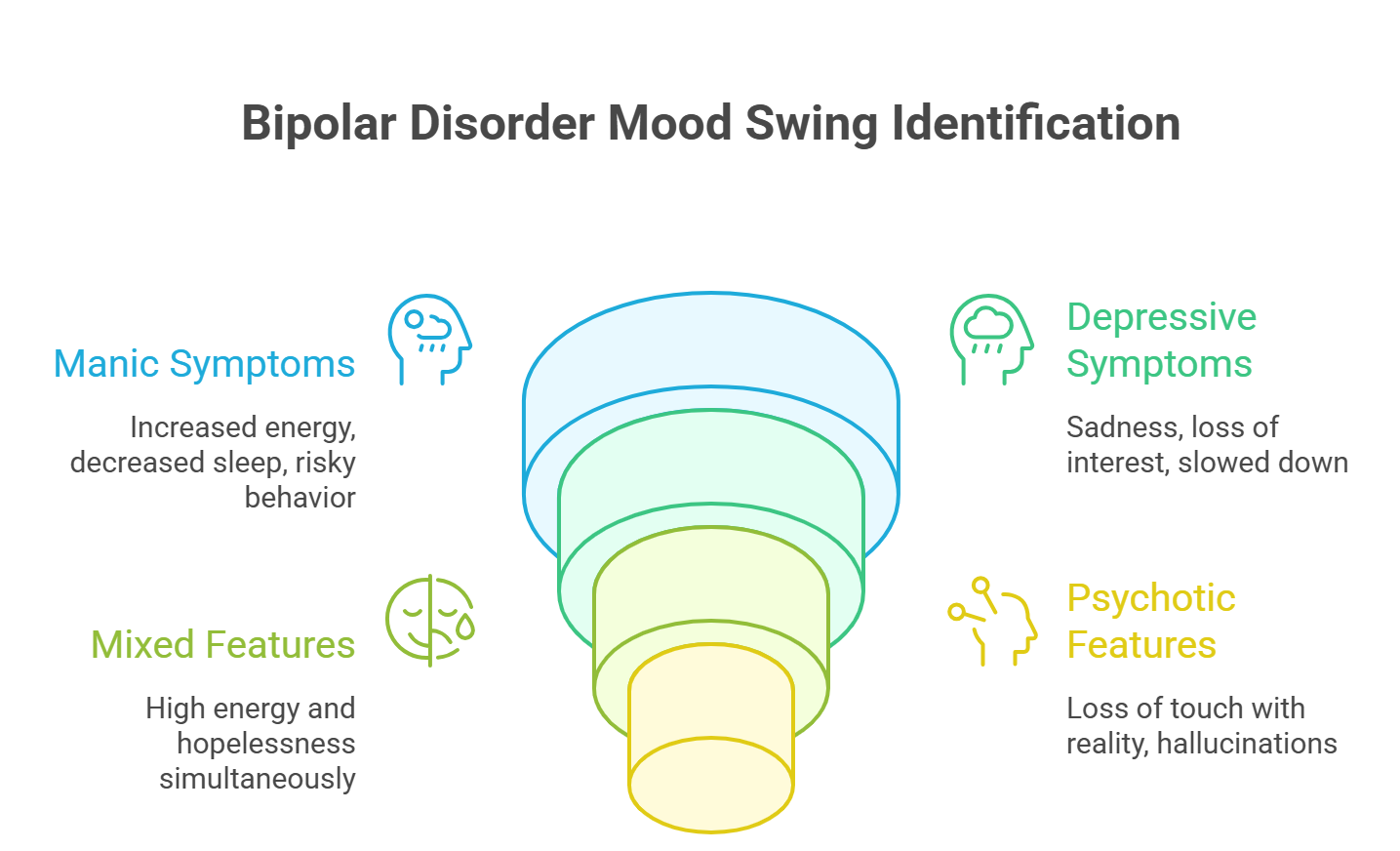
The hallmark of this condition is the dramatic shift between two emotional extremes that can last for days or even weeks. These bipolar disorder mood swings are much more intense than the typical “up and down” feelings that most people experience. We focus on tracking the duration and intensity of these shifts to provide an accurate clinical diagnosis for our clients. You might notice that your energy levels, sleep patterns, and decision-making abilities change drastically depending on your current state.
- Manic Symptoms: Feeling “wired” or jumpy, decreased need for sleep, and engaging in risky spending or behaviors.
- Depressive Symptoms: Lasting sadness, loss of interest in hobbies, and feeling slowed down or physically heavy.
- Mixed Features: Experiencing high energy and deep hopelessness simultaneously, which often leads to intense agitation.
- Psychotic Features: In severe cases, you may lose touch with reality or experience hallucinations during an episode.
Understanding these indicators allows you to seek bipolar symptom support and help before the situation feels out of control. We emphasize that these are biological signals from your brain, not flaws in your character or your willpower. I have seen how much relief patients feel when they realize their struggles have a medical explanation and a solution. We are here to guide you through the process of stabilizing these swings so you can find a middle ground.
What Is the Difference Between Bipolar and Depression?
Many of our clients ask about the difference between bipolar and depression because the low periods can look identical. If you only seek help during a “down” phase, you might receive a diagnosis of Major Depressive Disorder. However, treating bipolar disorder with standard antidepressants alone can sometimes trigger a manic episode, making accurate identification vital. I always tell my patients that the history of “highs” is just as important as the history of “lows” for safety. We look at your entire life timeline to ensure we choose the safest and most effective clinical intervention for you.
| Feature | Unipolar Depression | Bipolar Disorder |
| Mood Extremes | Lows only (Depression) | Both Highs (Mania) and Lows |
| Energy Levels | Consistently Low | Fluctuates from High to Low |
| Sleep Needs | Usually Insomnia or Oversleeping | Often decreased need for sleep during mania |
| Risk Patterns | Low risk-taking | High impulsivity during manic phases |
We utilize this data to build a foundation of stability that addresses both ends of the emotional spectrum. You deserve a treatment plan that prevents the highs from causing damage and the lows from causing despair. Our team monitors your progress closely to ensure that your medication and therapy are perfectly balanced for your specific needs. Trusting this comprehensive approach is the key to maintaining a long-term, healthy baseline for your mental well-being.
Recognizing Symptoms of Bipolar Disorder in Teens
Adolescence is already a turbulent time, which makes identifying symptoms of bipolar disorder in teens particularly challenging for many parents. We see young people who experience “explosive” anger or prolonged periods of isolation that go beyond typical teenage rebellion. I have helped many families navigate these difficult years by providing a safe space for teens to express their internal struggles. You may notice that your child’s grades are dropping or that they are suddenly staying up all night with excessive energy.
- Extreme irritability or “rages” that seem out of proportion to the current situation or stressor.
- Frequent physical complaints like stomachaches or headaches during periods of emotional distress or low mood.
- Sudden changes in social circles or a total withdrawal from friends they once enjoyed spending time with.
Early intervention during the teenage years can significantly improve long-term outcomes and prevent self-destructive patterns from taking root. We focus on education for the entire family so everyone knows how to support the teen’s recovery journey effectively. By catching these signs early, we help young people develop the coping skills they will need throughout their adult lives. Our mission is to provide your family with the clarity and professional support needed to move forward together.
Managing the Emotional Symptoms of Bipolar Disorder
The emotional symptoms of bipolar disorder often include a sense of “emotional fragility” that makes you feel vulnerable to every life event. We focus on building your emotional intelligence so you can distinguish between a normal reaction and a brewing clinical episode. I have seen patients regain their confidence by learning to “pause” and evaluate their feelings through a clinical lens. You are not a victim of your emotions; you are a person learning to manage a complex biological condition with grace.
We use various therapeutic modalities to help you process the guilt or shame that often follows a manic or depressive period. It is common to feel like you have to “apologize” for your symptoms, but we help you shift that energy toward active healing. Your emotional health is a priority, and we provide the tools to help you stay grounded even during stressful transitions. We believe that with the right support, you can lead a life that is both emotionally stable and deeply rewarding.
Frequently Asked Questions
What are the most common symptoms of bipolar disorder?
The most frequent signs include periods of elevated mood (mania) and deep sadness (depression). You might also notice changes in sleep, energy, and the ability to think clearly during these shifts.
How do I know if my mood swings are normal or bipolar?
Bipolar shifts are usually more intense, last for longer periods, and significantly interfere with your work or relationships. If your moods feel “uncontrollable” or lead to risky behavior, it is time to seek professional help.
What does bipolar depression feel like compared to regular sadness?
Bipolar depression symptoms often include a profound sense of “heaviness,” extreme fatigue, and a total loss of interest in life. It is usually preceded or followed by a period of high energy or irritability, which distinguishes it from unipolar depression.
Can stress trigger the signs & symptoms of bipolar disorder?
Yes, high levels of stress, lack of sleep, or major life changes can act as triggers for an emotional episode. We work with you to identify these triggers and create a plan to minimize their impact on your health.
Where can I find bipolar symptom support and help?
You can find professional support through specialized clinics that offer both psychiatric care and therapeutic services. Reaching out to a mental health professional is the most effective way to receive an accurate diagnosis and a plan.
Take the First Step Toward Emotional Balance
If you recognize these symptoms in yourself or a loved one, please know that help is available and highly effective. Our team at Perimetertx provides a compassionate environment where you can explore your options for recovery and long-term health. You can visit our Anxiety Treatment or Bipolar Disorder pages to learn more about how we can help. We are dedicated to providing the highest level of care to our community through evidence-based practices and clinical expertise.
Contact us today to learn more about our Intensive Outpatient Program (IOP) and how it can provide the structure you need. We are ready to help you navigate the complexities of your symptoms and find a path toward lasting peace. Our experts are standing by to answer your questions and help you start your journey to wellness. You have the strength to change your life, and we are here to support you every step of the way.
Name: Perimetertx
Phone: 404-383-7826
Email: help@perimetertx.com