Anxiety disorders are common conditions that many people struggle to recognize early. Recognizing the signs and symptoms of anxiety disorders early can help stop them from becoming more severe. These symptoms often affect your emotions, thoughts, and physical health daily. Awareness is the first step toward finding a path to relief. This guide breaks everything down to help you identify and respond effectively.
Understanding Anxiety Disorders and Their Symptoms
Anxiety goes far beyond occasional stress or simple worry. It involves persistent and excessive fear that interferes with your daily life. Many people ask how to know if you have anxiety today, especially as modern stressors evolve. This usually happens when symptoms appear gradually over several months. Recognizing anxiety disorder symptoms early makes a massive difference in your health. We help you navigate these feelings with professional care and deep empathy.
These conditions include generalized anxiety and social anxiety. Each has unique features but shares common traits like restlessness and fatigue. Increased digital stress and social pressure contribute to rising anxiety levels in Atlanta. Early awareness is now more important than ever for your well-being. We help you understand these changes before they become overwhelming for you. At Perimeter Treatment Center, our team is dedicated to recognizing anxiety disorder symptoms and warning signs so you can regain calm and balance in everyday life.
Early Signs of Anxiety You Should Not Ignore
Early signs of anxiety often appear subtly and seem like normal stress. Identifying these warning signals helps prevent more severe issues later. You might notice constant overthinking or trouble sleeping at night. Increased irritability or mood swings also serve as common indicators. These feelings can sneak up on you during a busy work week in the city.
- Persistent overthinking about future events or past conversations.
- Difficulty falling asleep or staying asleep due to a racing mind.
- Starting the day with an unexpected feeling of intense worry or unease, often called “morning dread.”
- Avoiding phone calls or specific social texts to stay safe.
- Feeling “on edge” or restless without a clear reason.
Many people avoid certain social interactions to cope with these feelings. You may find it hard to stay focused on your work tasks lately. Mild physical symptoms like headaches are also common early on. Paying attention to these changes helps you take proactive steps. Do not wait until these feelings escalate into a crisis. We believe that early intervention is the best way to manage the signs & symptoms of anxiety disorders effectively.
Physical Symptoms of Anxiety That Often Go Unnoticed
You might mistake physical symptoms of anxiety for other health issues. These reactions are real and impact your daily functions significantly. Many individuals feel a rapid heart rate or dizziness during stressful moments. Others report digestive issues or unexplained muscle aches regularly. These responses link directly to your body’s fight-or-flight system. This system becomes overactive when you struggle with a disorder.
We often see people with “silent anxiety” who appear fine externally. Internally, they deal with persistent physical discomfort and exhaustion. In 2026, we focus heavily on somatic signals that your brain might ignore. Understanding the “gut-brain” connection is vital for local residents facing high-pressure careers. Our dedicated recovery team helps you address these physical manifestations through specialized care.
| Symptom | 2026 Context/Description |
| Rapid Heartbeat | Frequent palpitations during non-physical tasks or rest periods. |
| Shortness of Breath | Feeling unable to take a deep, satisfying breath in public. |
| Muscle Tension | Chronic tightness in the jaw, neck, or shoulders from stress. |
| Digestive Issues | Nausea, bloating, or “butterflies” before a normal meeting. |
| Sensory Sensitivity | Feeling overwhelmed by loud noises or bright digital screens. |
Signs of Anxiety Attacks and Panic Attack Symptoms
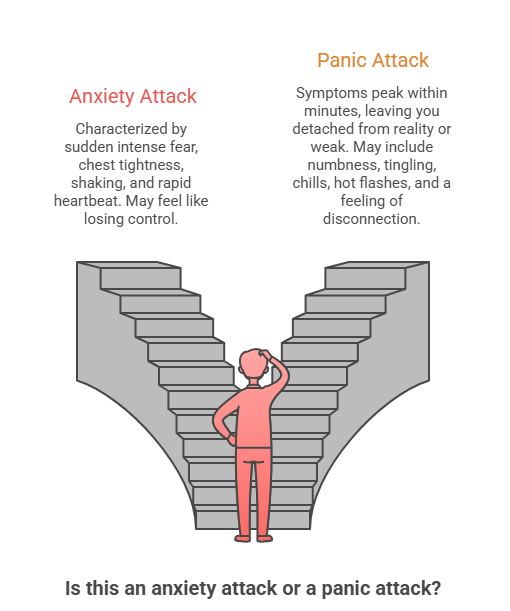
Anxiety attacks can feel very frightening the first time they happen. Understanding the signs of anxiety attack is crucial for your safety. You might feel a sudden intense fear or chest tightness. Many people experience shaking and a rapid heartbeat during these episodes. This physiological surge can make you feel like you are losing control of your surroundings.
- Sudden, intense fear of impending doom or loss of control.
- Chest discomfort that can feel similar to the pain experienced during a heart attack.
- Numbness or tingling in the hands and feet.
- Chills or hot flashes without an actual fever.
- A sensation of being disconnected or separated from your own body.
Panic attack symptoms often peak within a few minutes. They can leave you feeling detached from reality or very weak afterward. We see more people identifying these episodes earlier due to mental health awareness. Recognizing these signs allows you to respond calmly and seek help. You can regain control of your body with the right professional support. Our experts explain how we treat these conditions to help you manage the signs & symptoms of anxiety disorders with proven strategies.
Generalized Anxiety Disorder and Social Anxiety Symptoms
Generalized anxiety disorder symptoms include excessive worry about everyday situations. You might struggle with constant tension and find it hard to relax. This worry often persists even when no clear reason for concern exists. It can make small tasks feel like huge obstacles in your day. You have the right to live free from the burden of endless “what-if” worries.
Social anxiety disorder symptoms revolve around the fear of judgment. You might avoid conversations or public speaking to stay safe. Remote work has changed how these symptoms appear in our community lately. These feelings impact your personal life and your professional growth equally. We provide tools to help you navigate these social challenges confidently. Identifying the signs & symptoms of anxiety disorders in social settings is the first step toward freedom.
FAQs About Anxiety Symptoms
- How to know if you have anxiety?
If you experience persistent worry, avoidance, or “digital burnout” that interferes with your life, it may be an anxiety disorder. A professional evaluation provides the clarity you need to move forward today.
- What are the most common anxiety disorder symptoms?
Common signs include chronic fatigue, restlessness, and difficulty concentrating on tasks. You may also notice physical issues like a racing heart or persistent jaw tension during the day.
- What is “High-Functioning Anxiety”?
This refers to people who appear successful and calm but struggle with intense internal worry and physical exhaustion. They often use productivity as a way to hide their underlying fears. Learn More
- What is the difference between anxiety and a panic attack?
Anxiety is often ongoing, building up slowly over hours or days. Panic attack symptoms are sudden, intense, and peak very quickly, usually
within ten minutes of starting.
- Can digital stress cause anxiety symptoms?
Yes, “doomscrolling” and constant notifications keep your nervous system in a state of high alert. This can trigger physical symptoms like headaches and an increased heart rate.
Recognize the Signs & Symptoms of Anxiety Disorders
Recognizing the signs & symptoms of anxiety disorders is your first step toward health. Taking action early prevents long-term challenges in your life. We provide trusted resources and expert-guided support for our neighbors. I have spent ten years helping people understand their minds better.
Do not ignore what your body is telling you today. Explore more helpful articles on our blog page to gain further insights. Reach out to us for professional guidance.
Perimeter Treatment Center
Phone: 404-383-7826
Email: help@perimetertx.com
Contact us today: Atlanta Outpatient Treatment