

A Bipolar disorder treatment program helps patients manage strong mood changes with steady care and clear support. Bipolar disorder can affect sleep, energy, focus, relationships, work, and daily routines. The right treatment plan may include therapy, coping skills, mood education, relapse prevention, and family support. These tools help patients understand their symptoms and respond in healthier ways.
At Perimetertx, adults in Atlanta, GA can receive structured mental health care designed to support stability and long-term progress. A strong program gives patients a safe space to talk, learn, and build better habits. It may also help families understand how to offer calm and helpful support at home. With the right care, patients can work toward safer routines, better emotional balance, and improved daily confidence. This guide explains therapy, support, and care in simple words.
What Is a Bipolar Disorder Treatment Program?
A Bipolar disorder treatment program gives patients structured care for mood changes, depression, mania, and daily stress. Bipolar disorder can cause clear shifts in mood, energy, activity, and focus, according to NIMH. These changes can affect work, family life, sleep, and decision-making.
At Perimetertx, we look at the full person, not only the diagnosis. Our Bipolar Disorder Treatment service helps patients understand symptoms and build safer routines. We also connect care with Mood Disorders Treatment when symptoms overlap with depression, anxiety, or emotional instability.
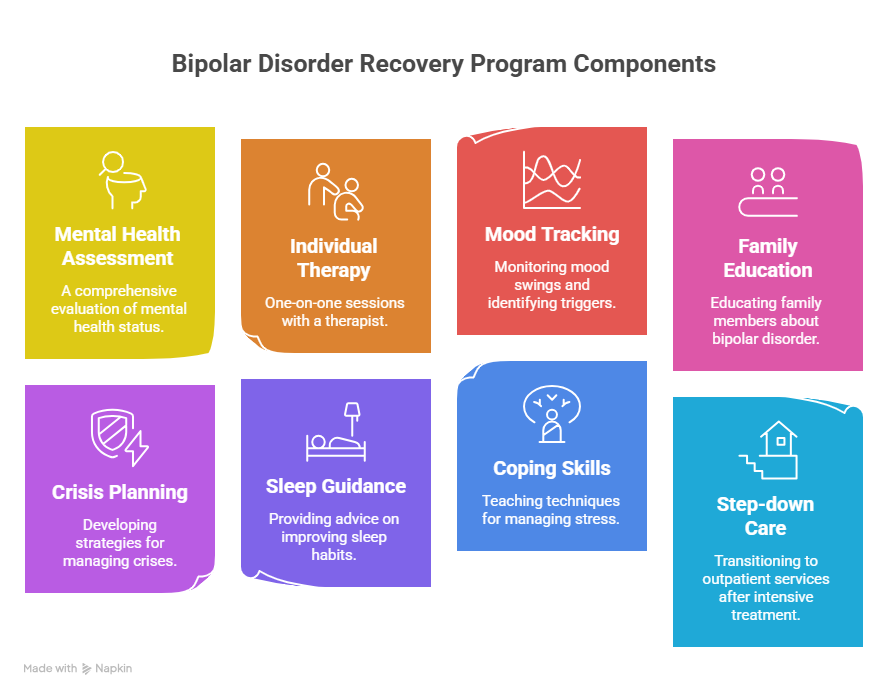
What a Bipolar Disorder Recovery Program May Include
A bipolar disorder recovery program should feel clear, steady, and supportive. Many patients feel overwhelmed before treatment starts. Families may also feel unsure about what to do next.
A strong plan may include:
- A full mental health assessment.
- Individual bipolar disorder therapy program sessions.
- Mood tracking and trigger awareness.
- Family education and support.
- Crisis planning when needed.
- Sleep and routine guidance.
- Coping skills for stress.
- Step-down care through outpatient services.
The goal is not quick perfection. The goal is better stability, safer choices, and stronger insight. A trusted bipolar disorder treatment center helps patients move forward with structure and respect.
Therapy, Support, and Evidence-Based Care
Good treatment for bipolar disorder often combines several forms of care. Mayo Clinic notes that main treatments may include medication, talk therapy, education, and support. Therapy helps patients understand thoughts, habits, triggers, and relationship stress. A bipolar treatment program may also include care coordination. Some patients need help with depression. Others need support during high-energy or irritable periods. Families may need guidance about warning signs. At Perimetertx, outpatient levels can match different needs.
| Care Option | How It Supports Recovery |
| Partial Hospitalization Program | Offers strong daytime support and structure. |
| Intensive Outpatient Program | Supports therapy and coping skills several days weekly. |
| Outpatient Program | Helps maintain progress with ongoing care. |
| Bipolar disorder outpatient treatment | Allows patients to live at home during care. |
Why Long-Term Support Matters
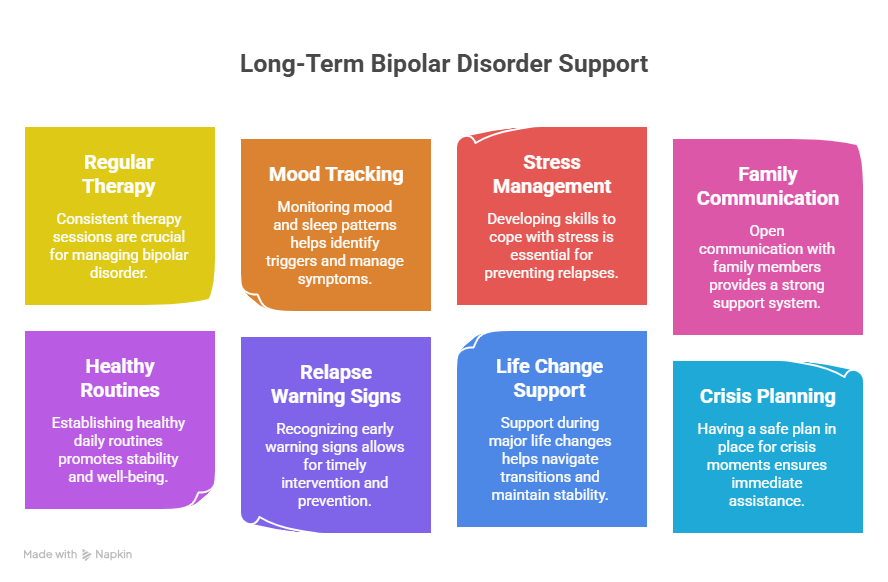
Bipolar disorder often needs ongoing support. Symptoms may improve, then return during stress, poor sleep, or major life changes. A plan for long-term bipolar disorder support helps patients stay prepared.
Helpful long-term tools may include:
- Regular therapy check-ins.
- Mood and sleep tracking.
- Stress management skills.
- Family communication plans.
- Healthy daily routines.
- Relapse warning signs.
- Support during life changes.
- Safe planning for crisis moments.
We often remind families that recovery works better with patience. Small steps still matter. A steady mental health treatment for bipolar disorder plan can improve confidence and reduce confusion over time.
Choosing Evidence-Based Bipolar Disorder Care
Evidence-based bipolar disorder care means the plan uses proven clinical methods and professional judgment. SAMHSA supports evidence-based practices for mental health and recovery services. Patients should ask how a program builds care plans, tracks progress, and supports family needs. At Perimetertx, we focus on practical care. Our team helps patients understand symptoms, strengthen routines, and plan next steps. Care should feel personal, not rushed.
FAQs About Bipolar Disorder Treatment Programs
- What is a bipolar disorder treatment program?
A Bipolar disorder treatment program offers structured support for mood symptoms. It may include therapy, education, coping skills, and care planning. - Is outpatient treatment enough for bipolar disorder?
Bipolar disorder outpatient treatment can help when patients can stay safe at home. More intensive care may fit better when symptoms feel harder to manage. - What does bipolar disorder therapy focus on?
Therapy may focus on triggers, routines, relationships, stress, and mood awareness. A bipolar disorder therapy program helps patients build daily coping skills. - How long does bipolar disorder treatment take?
Treatment length depends on symptoms, goals, safety, and progress. Many patients benefit from long-term bipolar disorder support. - Can bipolar disorder improve with care?
Many patients manage symptoms better with consistent treatment. A strong plan can support stability, insight, and healthier choices.
Start Care With Perimetertx
Bipolar symptoms can affect every part of life. Perimetertx helps adults in Atlanta explore structured mental health care with compassion and privacy. Our team supports patients through therapy, programs, and practical planning. Contact Perimetertx today to discuss the right level of care. Visit our Contact Us page or reach out directly. Phone: 404-383-7826 Email: help@perimetertx.com